
UNIVERSITY SCREENING GUIDE
How Documentary Screening Licenses Work for Universities
A practical guide to public performance rights, campus events, classroom use, and perpetual library access.
11 Awards, 33 Festivals, 50+ Impact Screenings
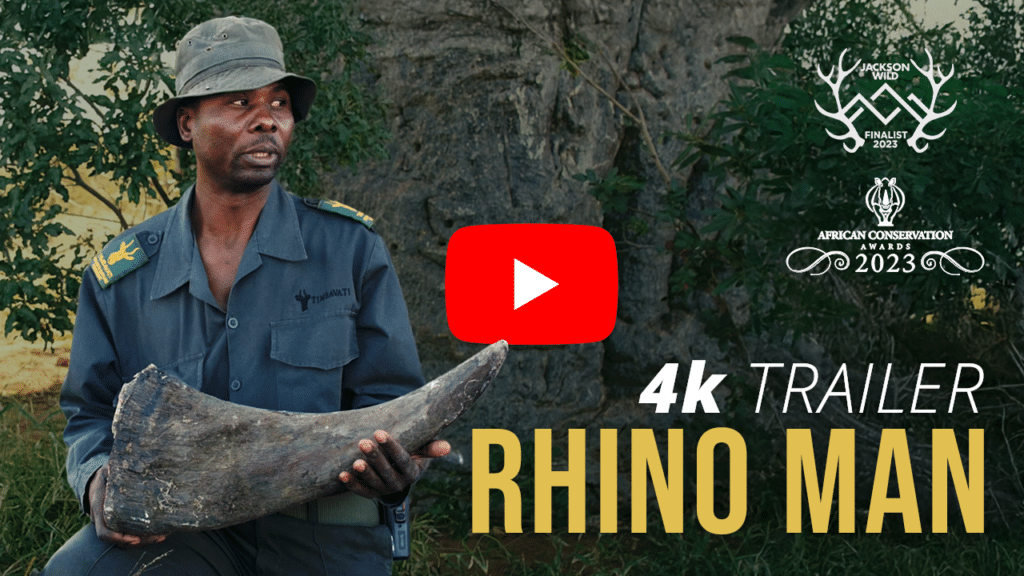
ABOUT RHINO MAN
An award-winning documentary following South African field rangers who risk their lives to protect rhinos from organized wildlife crime. RHINO MAN is available for licensed university screenings and perpetual library access.
A Screening Is More Than Pressing Play
When a university shows a documentary outside a private home or an individual classroom exception, it generally needs permission for that public exhibition. A screening license gives the institution the rights needed to present the film to an audience under agreed terms.
The right license also gives organizers a clear framework for audience size, access, promotion, discussion, and repeat use. That clarity protects the institution and helps the event team focus on creating a meaningful program.
THE FOUNDATION
What a University Screening License Covers
The exact terms vary by film and event, but a strong university license should answer three practical questions.
Who Can Attend?
The license defines whether the event is limited to a class, open across campus, or available to the public. It can also address audience size and virtual access.
How Can It Be Shown?
Terms can cover an auditorium, lecture hall, classroom, private online event, or another approved venue. They should also identify the licensed screening window.
What Comes With It?
Useful packages may include the film file, promotional artwork, educational resources, discussion prompts, technical support, and an optional filmmaker conversation.
FROM IDEA TO CAMPUS EVENT
A clear four-step process keeps licensing simple.
Choose the Format
Decide whether the film will support a class, student program, public campus event, or interdisciplinary series.
Define the Audience
Estimate attendance, identify who may join, and determine whether the program will be in person, virtual, or hybrid.
Confirm the Rights
Select a license that covers the event, access method, date, and any additional use planned by faculty or the library.
Build the Conversation
Use educational resources, faculty partners, student groups, and an optional Q&A to deepen the impact.
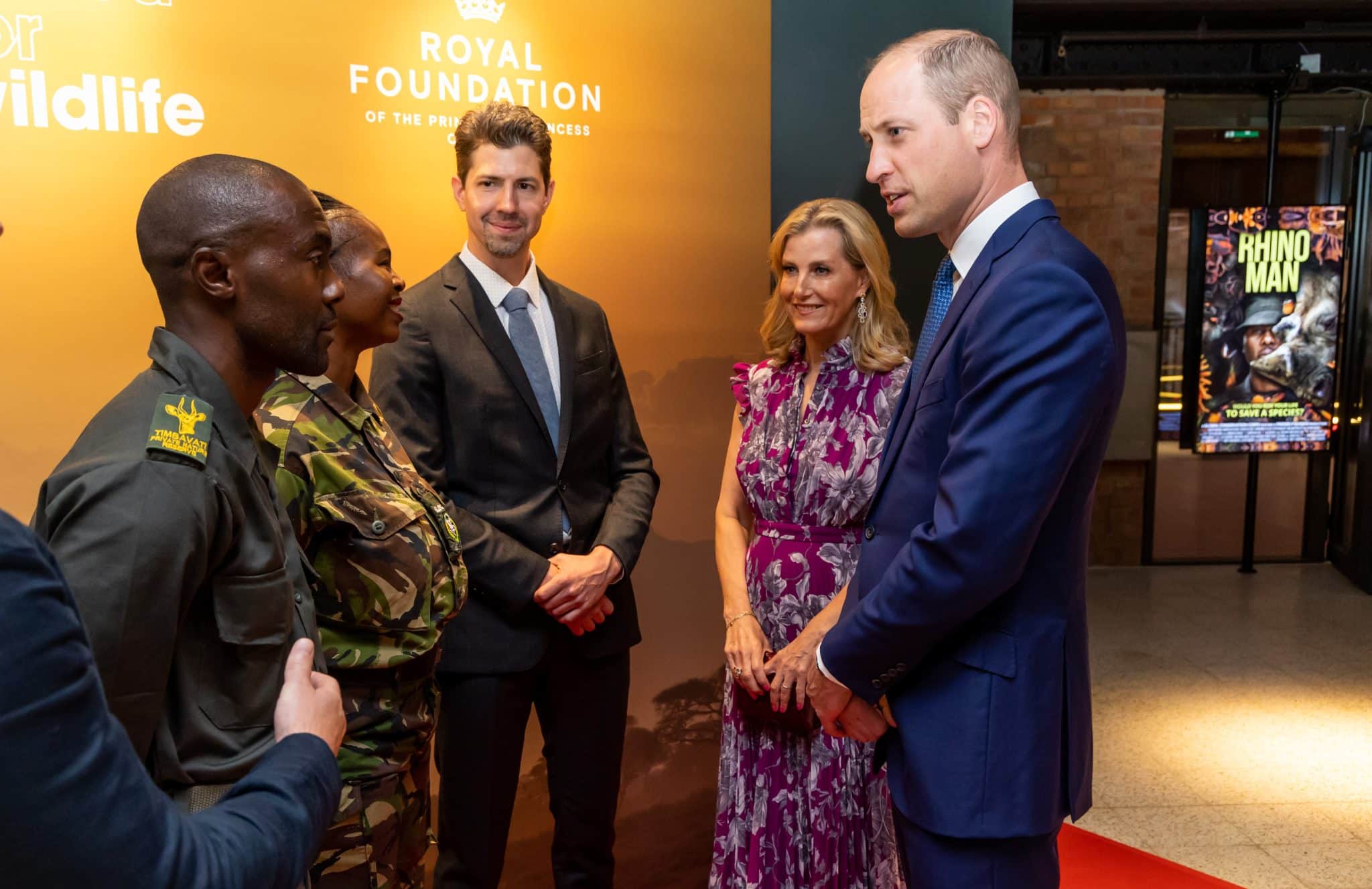
“RHINO MAN IS A REMARKABLE FILM THAT SERVES AS A STARK REMINDER OF THE DAILY SACRIFICES RANGERS MAKE IN THE BATTLE AGAINST WILDLIFE CRIME."
Prince William
The Prince of Wales
President of United for Wildlife
GLOBAL RECOGNITION, CAMPUS RELEVANCE
A Documentary That Opens Serious Conversations
RHINO MAN has been presented at conservation, policy, law-enforcement, and educational events around the world. Its support from Prince William and Dr. Jane Goodall gives organizers an immediate point of recognition, while the film itself creates space for deeper discussion.
For universities, that combination of credibility and substance helps connect departments, student organizations, libraries, and community partners around one shared program.
KNOW THE DIFFERENCE
Screening, Library, and Consumer Rights
These forms of access serve different purposes. Universities often use more than one.
Screening License
Designed for a scheduled event with an audience. It covers public exhibition and can include event materials, discussion resources, and a filmmaker Q&A.
Perpetual Library License
Designed for ongoing institutional access. The library hosts the film on its own platform for authorized users with no annual renewal or recurring fee.
Consumer Rental or Purchase
Designed for personal viewing. A consumer stream or disc does not automatically include the right to advertise and host a campus event.
PERSONAL VIEWING ONLY

A SHARED CAMPUS EXPERIENCE
Bring students, faculty, departments, and community partners together around a story that connects conservation with justice.
A FILM BUILT FOR DISCUSSION
Why Universities Use RHINO MAN
RHINO MAN brings students inside the world of South African field rangers who protect endangered rhinos from organized poaching syndicates. The story connects conservation, criminal justice, international security, ethics, leadership, African studies, and documentary film.
At its heart is Anton Mzimba, a revered head ranger whose murder in 2022 transformed the film into part of an ongoing international effort for justice and accountability.
Campus packages can include the feature film, educational and discussion guides, promotional materials, and a live or virtual conversation with filmmaker John Jurko II.
COMMON QUESTIONS
University Documentary Licensing FAQ
Can a professor show a documentary in class?
Classroom exemptions may apply in specific face-to-face teaching situations, but they do not usually cover a publicly advertised campus event. Your institution should confirm its own requirements.
Does a streaming subscription include public performance rights?
Usually not. Consumer subscriptions and rentals are normally licensed for personal viewing unless the provider clearly grants broader rights.
Can student organizations host a screening?
Yes, when the university or organizer obtains the appropriate screening permission for the event and audience.
Can the event be open to the public?
Yes, if the screening license includes a public audience. Attendance, venue, promotion, and ticketing details should be confirmed in advance.
Can the library keep the film afterward?
A one-time screening license does not automatically create ongoing collection access. RHINO MAN offers a separate perpetual library license and a discounted screening bundle.
Can the filmmaker join the event?
Yes. RHINO MAN campus programs can include a live or virtual filmmaker conversation tailored to the audience and academic focus.
READY TO BUILD YOUR PROGRAM?
Plan a RHINO MAN Campus Screening
Choose a standalone screening, add a live or virtual filmmaker Q&A, or pair the event with perpetual library access. Screening bundles purchased with a library license receive $200 off the screening fee.