
CAMPUS EVENT PLANNING GUIDE
How to Host a Documentary Screening on Campus
A practical step-by-step guide to licensing, campus partners, promotion, event logistics, and meaningful post-film discussion.

PLAN THE EXPERIENCE, NOT JUST THE SCREENING
A thoughtful campus event brings people together before the film begins and gives them a reason to keep talking after the credits.
A Great Campus Screening Starts Before the Film
The strongest campus screenings begin with a clear purpose. Decide who the event is for, what conversation you want the film to open, and which departments, faculty members, student groups, or library partners can help bring the right audience into the room.
From there, confirm the screening rights, choose an accessible venue or approved virtual format, build a simple promotion plan, and prepare the discussion that follows. A little structure turns a film night into a campus event people remember.
START WITH PERMISSION
Clear the First Hurdle Before You Promote
Handle the screening permission early, then your team can focus on the audience, experience, and conversation.
Secure Your Screening Rights
Before announcing the event, make sure your school or organization has the appropriate permission to present RHINO MAN to an audience.
Choose the Right Format
Plan an in-person screening, classroom program, library event, or approved virtual gathering that fits your campus and audience.
Give Yourself Time
Request permission early so you can focus on promotion, campus partners, technical preparation, and the conversation you want to create.
FROM IDEA TO CAMPUS EVENT
A clear four-step process keeps planning simple.
Set the Goal
Define the audience, the central theme, and what you want people to think, feel, or do after the screening.
Build the Team
Invite faculty, library staff, student groups, and campus offices whose communities connect naturally with the film.
Confirm the Details
Secure the screening rights, date, venue, technology, accessibility support, and approved in-person or virtual format.
Invite the Conversation
Promote the event clearly, prepare discussion prompts, and give the audience a meaningful next step after the credits.
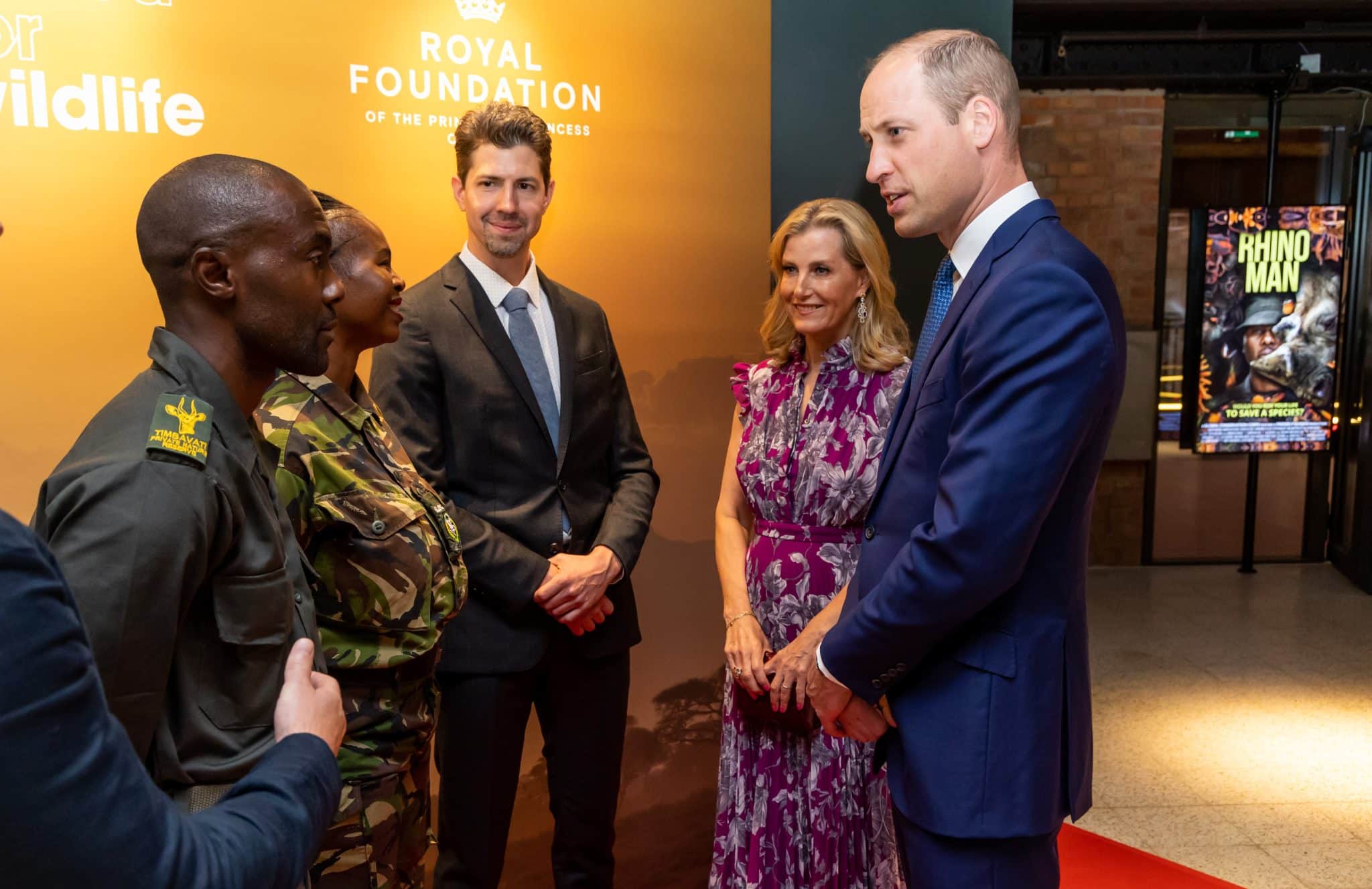
“RHINO MAN IS A REMARKABLE FILM THAT SERVES AS A STARK REMINDER OF THE DAILY SACRIFICES RANGERS MAKE IN THE BATTLE AGAINST WILDLIFE CRIME."
Prince William
The Prince of Wales
President of United for Wildlife
11 Awards, 33 Festivals, 50+ Impact Screenings
BUILD A CAMPUS-WIDE CONVERSATION
Connect the Story to People Already Doing the Work
The strongest events bring together partners who see the film through different lenses. Consider conservation and sustainability programs, criminal justice, African studies, international affairs, ethics, film, student activities, and the library.
Give each partner a simple role: invite their community, contribute a discussion question, recommend a speaker, or share a meaningful next step after the screening.
BEFORE THE EVENT
The Campus Screening Checklist
Cover the essentials early so your team can focus on welcoming the audience and guiding a strong conversation.
Audience & Access
Confirm who may attend, expected capacity, whether registration is needed, and whether the event is limited to campus or open to the public.
Venue, Technology & Accessibility
Test picture and sound, confirm internet or file playback, reserve microphones, provide captions, and make the room and program accessible.
Promotion & Facilitation
Prepare the event description, flyer, email and social copy, moderator, discussion questions, speaker details, and a clear call to action.

YOUR EVENT TOOLKIT
RHINO MAN screening packages include planning and outreach guidance, setup instructions, promotional assets, facilitator and discussion guides, educational resources, impact materials, and the film screener.
A FILM BUILT FOR DISCUSSION
Why Universities Use RHINO MAN
RHINO MAN brings students inside the world of South African field rangers who protect endangered rhinos from organized poaching syndicates. The story connects conservation, criminal justice, international security, ethics, leadership, African studies, and documentary film.
At its heart is Anton Mzimba, a revered head ranger whose murder in 2022 transformed the film into part of an ongoing international effort for justice and accountability.
Campus packages can include the feature film, planning and promotion tools, facilitator and discussion guides, an educational resource guide, impact materials, and a live or virtual conversation with filmmaker John Jurko II.
COMMON QUESTIONS
Campus Documentary Screening FAQ
The practical details organizers ask about most often.
How far ahead should we start?
Four to eight weeks is comfortable for most campus events. Larger programs, outside speakers, fundraising, or public promotion may need more lead time.
Do we need a screening license?
Yes, when the film is shown to an audience outside ordinary personal viewing or a qualifying classroom exception. The license should match the audience, venue, format, and date.
Who should be involved?
A small working group is often enough. Consider faculty, the library, student affairs, sustainability, criminal justice, film programs, student organizations, and communications staff.
What should we test before the event?
Test the exact film file or approved stream on the event system. Check picture, sound, captions, microphones, lighting, internet access, and a backup playback plan.
How do we create a stronger discussion?
Choose a moderator, prepare focused questions, invite relevant campus voices, and connect the film to courses, research, current issues, or a clear action audiences can take.
Can the screening include a filmmaker Q&A?
Yes. RHINO MAN programs can include a live or virtual conversation with filmmaker John Jurko II, depending on the package and event needs.
READY TO BUILD YOUR PROGRAM?
Plan a RHINO MAN Campus Screening
Choose a standalone screening, add a live or virtual filmmaker Q&A, or pair the event with perpetual library access. Screening bundles purchased with a library license receive $200 off the screening fee.